The Home Inspection Checklist All Buyers Should Have

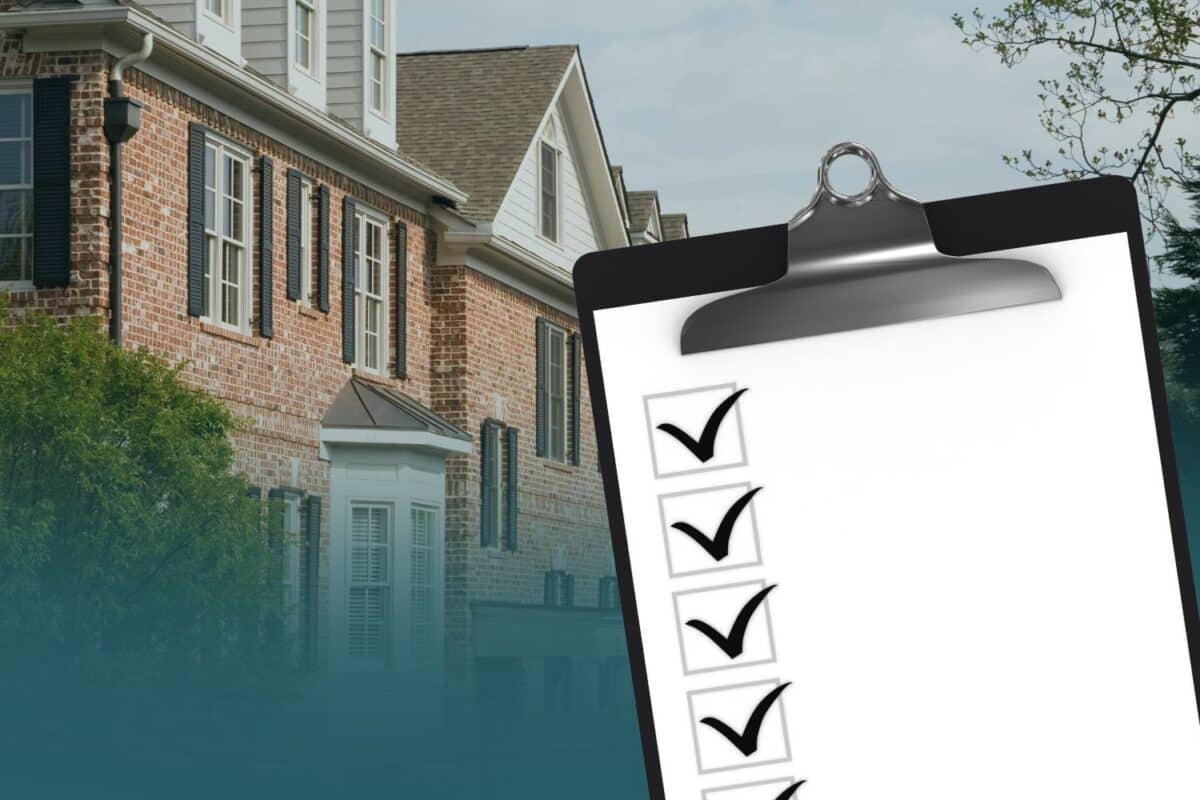
A home inspection checklist tells you exactly what a licensed inspector examines before you close on a home, and what you should be paying attention to when they do.
At Serenity Home Inspections, we’ve completed more than 12,000 inspections across Atlanta, and one thing is consistent: buyers who understand the process get more out of the report. This guide walks you through every system on the checklist, how to use it during your inspection, and what to do when the report lands in your inbox.
What Does a Home Inspection Cover?
A home inspection is a visual, non-invasive review of the property’s major systems and structural components. The goal is to find material defects, or problems that affect the value of the home or pose a safety risk.
Here’s what a thorough inspection covers.
Exterior and Roof
The exterior is the first thing an inspector evaluates. This includes:
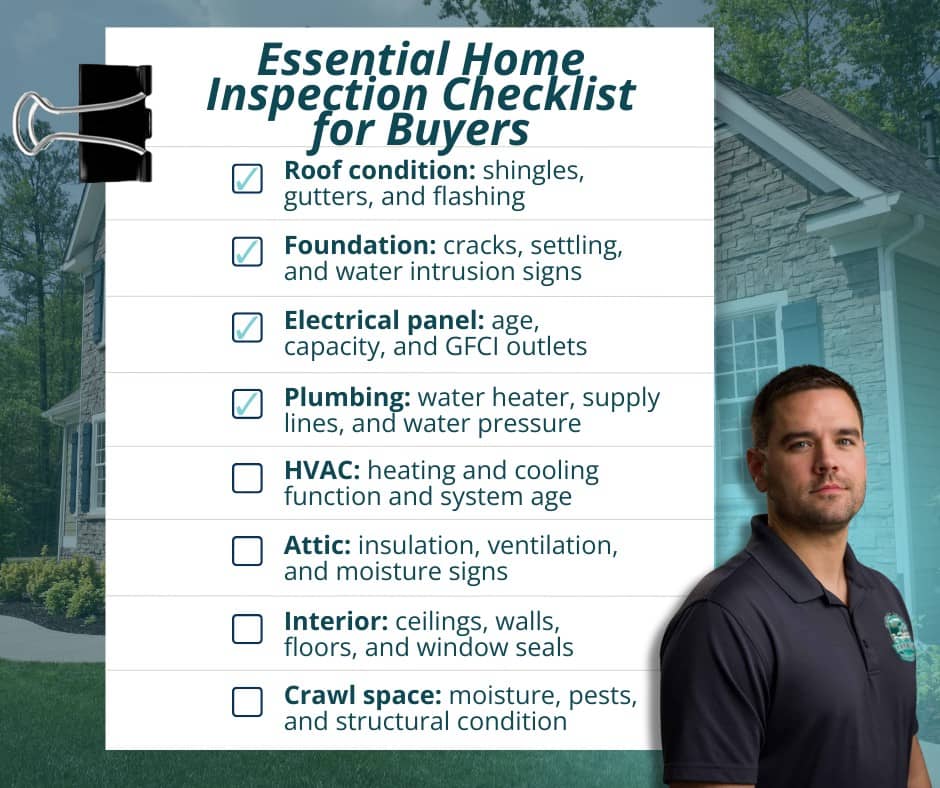
- Roof shingles: missing, curled, or cracked pieces; flashing and gutters
- Siding and trim: condition of materials, signs of rot, gaps, or pest entry points
- Grading and drainage: whether the ground slopes away from the foundation
- Driveways, walkways, decks, and fencing: structural condition and safety
- Windows and doors: seals, weatherstripping, and proper operation
Roof condition is one of the most common areas where buyers are surprised by the findings. Always ask the inspector how many years of useful life remain on the roof.
Foundation and Structure
The foundation supports everything above it. Inspectors look for:
- Cracks in foundation walls, poured slabs, or block masonry
- Signs of settlement or shifting
- Evidence of water intrusion or prior patching
- Structural beams and support posts for pest damage or rot
Not all cracks are deal-breakers. Hairline cracks from settling are common in older Atlanta homes. Horizontal cracks or cracks that are actively growing are a different story. If the inspector flags foundation concerns, requesting a structural engineer evaluation before closing is a smart next step.
Electrical System
The electrical inspection focuses on safety. Key items include:
- Main electrical panel: age, capacity, condition, and brand (some older panels have known safety issues)
- GFCI outlets in kitchens, bathrooms, and exterior areas
- AFCI breakers in bedrooms
- Outlet function and polarity
- Visible wiring condition
- Light fixtures and ceiling fans
Serenity’s inspectors test all accessible outlets and evaluate the panel for any signs of overcrowding, double-tapping, or improper wiring per InterNACHI standards for home inspection.
Plumbing System
A plumbing inspection checks:
- Water heater: age, condition, proper venting, and temperature-pressure relief valve
- Supply lines: material type (copper, PEX, older polybutylene, which can be flagged as a defect)
- Drain and waste lines: flow, signs of slow drains or leaks
- Water pressure at fixtures
- Visible signs of past water damage under sinks and around toilets
Atlanta’s older neighborhoods have a mix of plumbing materials. Older homes sometimes still have galvanized steel supply lines, which restrict flow and corrode internally over time.
HVAC System
Heating and cooling are two of the most expensive systems to replace. The HVAC inspection covers:
- Furnace and air handler: age, operation, heat exchanger condition
- Air conditioning: cooling function, refrigerant lines, condenser unit
- Ductwork: visible condition and connections
- Thermostat operation and response
- Air filter condition
A system that runs does not mean a system that runs well. The inspector will note the approximate age and flag anything that suggests deferred maintenance.
Interior and Attic
Inside the home, inspectors check:
- Ceilings, walls, and floors: staining, cracks, soft spots, and sloping
- Windows and interior doors: operation and seal failure (fogged glass between panes indicates a broken seal)
- Attic: insulation levels, ventilation, signs of moisture or pest activity, and roof structure viewed from below
- Crawl space (if accessible): moisture, insulation, pest activity, and structural condition
- Built-in appliances: basic function testing of dishwasher, range, and exhaust fans
How to Use Your Inspection Checklist During the Visit
Walking through the home alongside your inspector is one of the most valuable things you can do as a buyer. Here’s how to make the most of the time.
Attend the Inspection Yourself
Buyers are always welcome to attend their inspection, and you should. Walking the home with the inspector gives you context that no written report fully captures. You’ll hear why something is flagged, how serious it is, and how to maintain it going forward. Plan for two to four hours, depending on home size.
Bring this checklist, a notepad, and a phone to take photos of anything you want to follow up on.
What to Watch For: Room by Room
Use the inspection as a second walkthrough. Beyond the formal checklist, look for:
| Area | What to notice |
| Kitchen | Cabinet condition, sink drainage speed, and exhaust fan function |
| Bathrooms | Grout and caulk around tile, toilet stability, and ventilation |
| Basement / Crawl space | Musty smell, visible moisture staining, sump pump presence |
| Garage | Auto-reverse function on door opener, fire rating on interior door |
| Attic access | Insulation coverage, any daylight visible through the roof structure |
What Happens After the Inspection Report?
The report lands in your inbox, and suddenly, the real decision-making begins. Here’s what to do with it.
How to Read the Report
Serenity delivers same-day reports with photos, severity ratings, and clear descriptions. When you open it, focus first on items marked as safety hazards or major defects. Cosmetic issues and routine maintenance items are normal in any home.
Separate items into three buckets:
- Safety issues requiring immediate correction
- Costly repairs or system replacements are worth negotiating
- Maintenance items to plan for after closing
Negotiating Repairs or Credits
An inspection report is a negotiating tool. Buyers can request that sellers fix specific items before closing, reduce the purchase price, or provide a credit at closing to cover repairs.
Your real estate agent will guide the negotiation, but understanding what the inspector found gives you the data to ask for what is fair.
For a deeper look at what our inspections include and how we document findings, visit our general home inspection page.
Other Inspections Worth Considering
A general home inspection is thorough, but it does not cover everything. Depending on the property, buyers in the Atlanta area often add:
- Radon testing: Radon is an odorless, radioactive gas that enters homes through foundation gaps. The EPA recommends testing all homes before purchase, since Georgia has areas of elevated radon potential. Serenity offers radon testing as an add-on.
- Mold and air quality testing: Standard inspections include a visual mold check, but lab testing confirms what is present and at what levels. Learn more about mold and air quality testing.
- Sewer scope inspection: A camera inspection of the main sewer line identifies root intrusion, collapse, or offset joints: common in homes with mature trees or cast iron lines. See our sewer scope inspection service.
- WDO and pest inspection: Wood-destroying organism inspections check for termites and other wood-boring pests. Required by most lenders on FHA and VA loans.
- Infrared thermal imaging: Thermal cameras can detect moisture hidden behind walls and missing insulation that a visual inspection misses.
If you are buying a home with a pool, we also offer a dedicated pool inspection.
Home buyers dealing with pest issues after closing often turn to professional pest control specialists. Understanding signs of a cockroach infestation before move-in can help set expectations for any issues the inspection may surface.
For buyers looking at older properties, knowing common concerns with stucco exterior walls is useful since stucco inspection findings often come up in the same report.
Related Questions to Explore
Can a Seller Refuse a Home Inspection? A seller cannot refuse a buyer’s right to an inspection if an inspection contingency is in the contract. However, sellers can decline specific inspection timing, require access conditions, or, in some competitive markets, buyers waive the contingency voluntarily to strengthen an offer. Waiving inspection is a significant risk and is not recommended. Review your contract with your agent before making that decision.
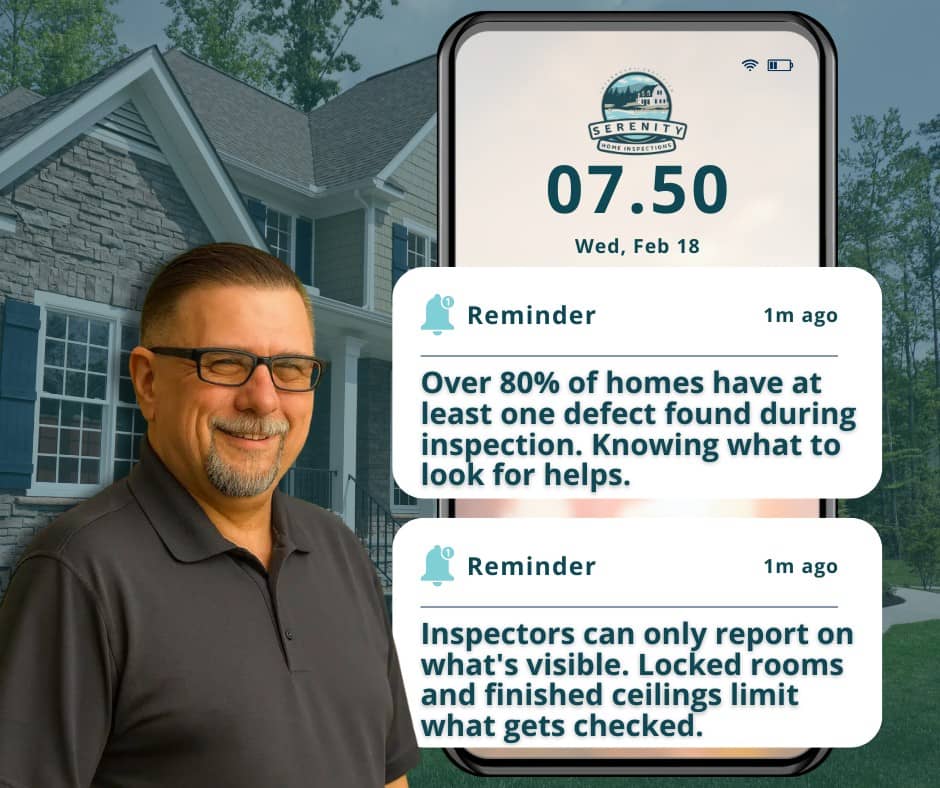
What Do Home Inspectors Not Check For? Standard home inspections do not include environmental testing (radon, mold, asbestos, lead paint), underground utility lines, or systems that are not readily accessible. Inspectors report on visible conditions on the day of the inspection, not future conditions or code compliance for past construction. For what’s included in your scope, see our inspection scope page.
How Much Does a Home Inspection Cost in Atlanta? Home inspection costs in Atlanta typically range from $350 to $550 for a standard single-family home, depending on size and age. Serenity offers inspection packages that bundle multiple services at a better value than booking them individually. Review our packages page for current pricing.
Should I Get an Inspection on a New Construction Home? Yes. New construction homes have defects, too. Sometimes because of rushed timelines, subcontractor handoffs, or items covered before the final walkthrough. A new construction inspection is especially valuable at the pre-drywall phase, when structural, electrical, and plumbing work is still visible.
We offer new construction inspections for all phases of the build. We wrote about what buyers should verify in detail in our guide to what’s included in your home inspection.
When to Call a Professional
This checklist gives you a framework for what inspectors evaluate, but a checklist is not a substitute for a licensed inspector’s judgment. If you are under contract on a home in the Atlanta area and have not yet scheduled your inspection, now is the time.
A few situations where you especially should not skip or delay scheduling:
- The home is over 30 years old, which means most major systems are at or near the end of their useful life
- The listing mentions past water damage, roof repairs, or foundation work
- The home sat vacant for an extended period
- You are buying a new build and want a pre-drywall phase inspection before concrete is poured
Serenity Home Inspections serves buyers throughout a 60-mile radius of Atlanta, including Peachtree Corners, Alpharetta, Marietta, Roswell, and surrounding counties. We deliver same-day reports and include a complimentary 90-day home warranty with every buyer inspection. Schedule your inspection today.
Conclusion
A home inspection checklist helps buyers walk into the process with confidence and walk out with clear answers. Here is what to take away:
- A standard inspection covers the roof, foundation, electrical, plumbing, HVAC, and interior systems
- Attending the inspection yourself gives you context that the written report cannot fully convey
- The report is a negotiating tool: prioritize safety issues and major defects first
- Add-on inspections for radon, mold, sewer, and pests can fill the gaps a general inspection leaves
Ready to schedule? Visit our general home inspection page or contact us to book your Atlanta-area inspection.