
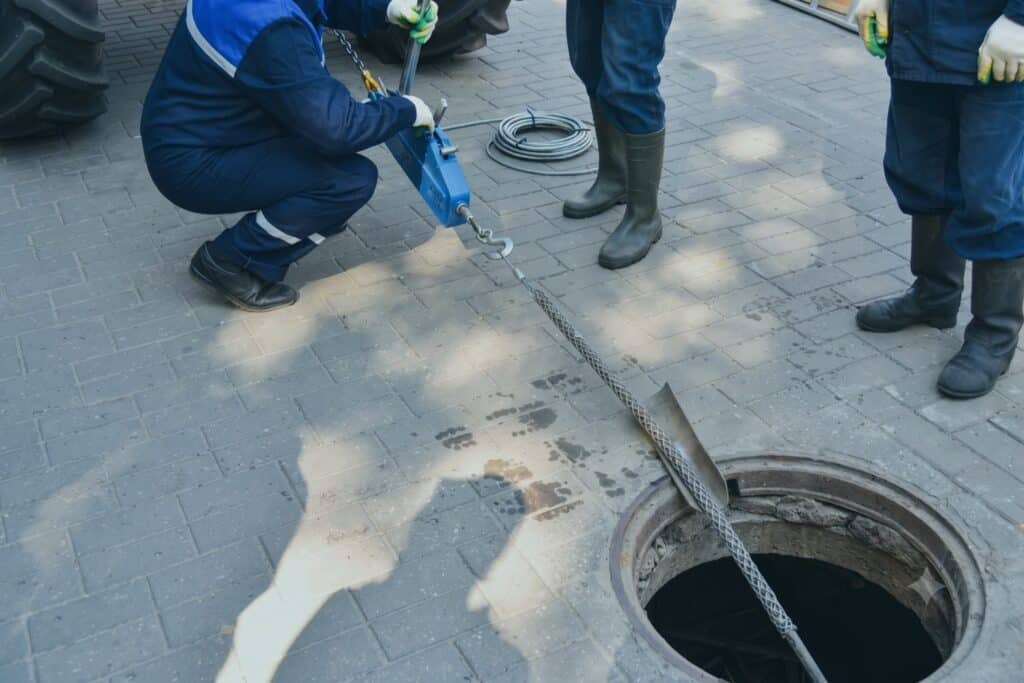
A sewer scope inspection is a video camera inspection of the underground sewer line that carries wastewater from your house to the city sewer main, HOA tap, or septic tank.
An inspector feeds a flexible, waterproof camera through the line and records what is really going on down there: roots, cracks, sagging pipe, or blockages you cannot see any other way. It matters because that line is one of the most expensive things in a home to repair, and a standard home inspection does not include it.
If you are buying a home, especially an older one or a property with big trees, this is one add-on worth the money. Here is what it covers and when to get one.
What Is a Sewer Scope Inspection?
A sewer scope is a video inspection of your home’s lateral sewer line, the pipe that runs from the house to the public sewer, HOA tap, or septic tank.
The inspector inserts a flexible camera through an access point, usually a cleanout near the foundation, and watches a live video feed along the entire length of the line. According to the National Home Inspector Association, this is an ancillary service that is not part of a standard home inspection, though the information it provides can be critical for buyers and owners.
You come away with a recorded video and a written report showing the pipe material, its condition, and any defects found. Because the line is buried, this camera is the only practical way to see it without digging.
What Does a Sewer Scope Inspection Find?
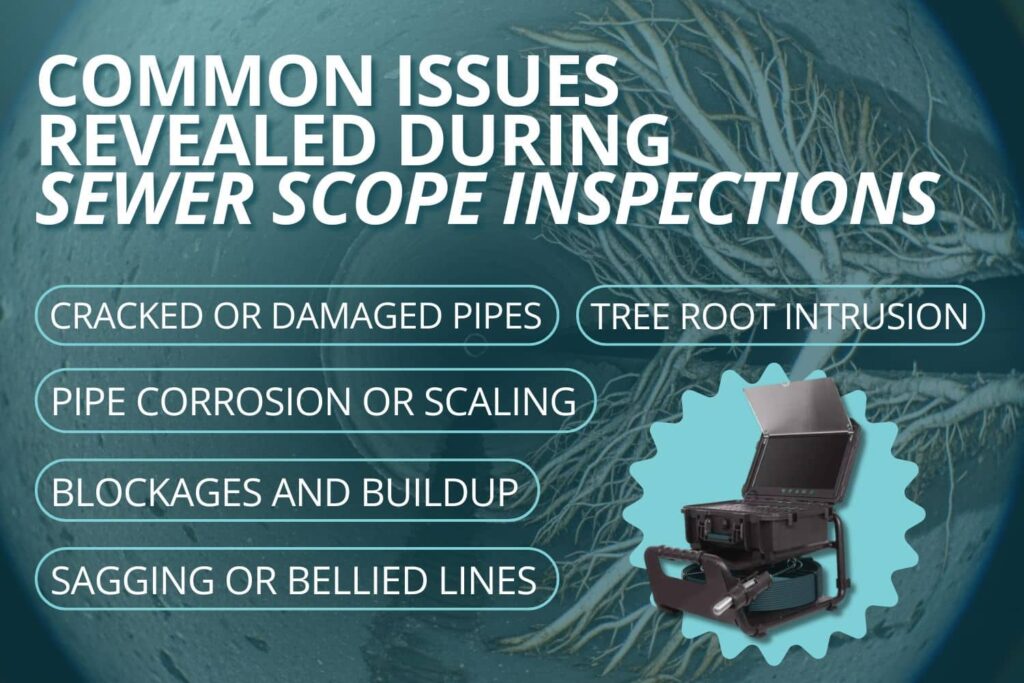
The camera reveals problems that are invisible from inside the house. Common findings include:
- Tree root intrusion: roots work into joints and small cracks, then keep growing until they clog or break the pipe
- Cracks and breaks: from age, shifting soil, or ground pressure
- Bellied or sagging pipe: a low spot where waste and water collect, causing repeat backups
- Corrosion and deterioration: older cast iron corrodes, and clay pipe cracks and shifts
- Blockages and grease buildup: slow-building clogs that eventually back up
- Construction debris: in new builds, material left in the line during construction
Any one of these can lead to a sewage backup, foul odors, or a failed line. A hidden leak under the house can also feed moisture and mold problems under the home long before you ever notice a smell.
How a Sewer Scope Inspection Works
The process is quick and non-invasive, usually 30 to 60 minutes. Here is what happens:
- The inspector locates an access point, typically a cleanout near the foundation, in a basement, or in a crawlspace.
- A waterproof camera on a flexible cable is fed into the line.
- The inspector watches a live video feed from the house to the city or septic connection.
- You receive a recorded video plus a written report noting the pipe material, condition, and any defects.
No digging and no tearing up the yard, just a clear look at a system you would otherwise be guessing about.
Is a Sewer Scope Part of a Standard Home Inspection?
No. A standard home inspection stops at the visible, accessible systems and does not include the underground sewer line.
A general home inspection covers the roof, structure, electrical, plumbing fixtures, and HVAC, but the buried lateral line falls outside that scope. That is why a sewer scope is offered as a separate add-on. Skip it, and the single most expensive plumbing component in the home goes unchecked before you buy.
When Do You Need a Sewer Scope Inspection?
Any home purchase is a good reason, but some situations make it close to essential. Strongly consider one if:
- The home is older. Houses built more than 20 years ago often have clay or cast iron pipe that has had decades to crack, corrode, or fill with roots. Many established Atlanta neighborhoods sit right in that range.
- There are mature trees on or near the lot. Big shade trees send roots straight toward the moisture in a sewer line. Atlanta’s tree canopy is a genuine asset and a genuine risk to older pipe.
- It is new construction. New does not mean clean. Debris left in the line during building is a common and costly surprise.
- You notice warning signs. Slow drains throughout the house, gurgling toilets, sewage odors, or a soggy strip of lawn over the line all point to a problem worth scoping.
Even with none of these, the cost of the scope is small next to the cost of being wrong.
How Much Does a Sewer Scope Cost, and Is It Worth It?
A sewer scope adds a few hundred dollars to an inspection, while a sewer line repair can run into the thousands. A full lateral line replacement often lands between $3,000 and $10,000 or more, depending on depth, length, and access. Against that, the scope is inexpensive insurance.
And if it finds a problem, you gain real negotiating room: you can ask the seller to repair the line, credit you for it, or adjust the price before closing. Discover the same problem after you own the home, and every dollar is yours.
Related Questions to Explore
Is a sewer scope part of a home inspection?
No, it is a separate add-on service. A standard home inspection covers visible, accessible systems and does not include the underground sewer line, so you have to request a sewer scope specifically.
How much does a sewer scope inspection cost?
Usually a few hundred dollars, far less than a repair. Prices vary by market and access, but the scope is minor next to a sewer line replacement that can cost $3,000 to $10,000 or more.
How long does a sewer scope take?
Typically 30 to 60 minutes. The inspector feeds the camera through a cleanout, records the line, and reviews the footage. Older or hard-to-access homes can take a little longer.
Do I need a sewer scope on a newer home?
Often, yes. New construction can hide debris left in the line during building, and even a home a few years old can develop root intrusion or settling. A scope confirms the line started clean.
What if the home has no accessible cleanout?
The inspector may reach the line another way, such as through a roof vent or by pulling a toilet. If there is no safe access at all, they will explain what is possible and note any limits in the report.
When to Call a Professional
Schedule a sewer scope as soon as you are under contract, alongside your general inspection. A sewer scope inspection from a certified inspector gives you a clear video and report before your due-diligence period ends, while you still have room to negotiate. If the home runs on septic rather than city sewer, pair it with a septic system inspection so the whole waste system gets checked.
Serenity Home Inspections has completed more than 12,000 inspections across metro Atlanta since 2012, and we walk you through exactly what the camera finds.
The Bottom Line
A sewer scope inspection is a quick camera check of the one home system you cannot see and cannot afford to guess about. For a few hundred dollars, you find out whether the line is sound or hiding roots, cracks, or a costly repair, before the home is yours. Keep it simple:
- It is not included in a standard inspection, so ask for it.
- It matters most on older homes, tree-lined lots, and new construction.
- Finding a problem now means the seller can help pay for it.
Buying a home in the Atlanta area? Schedule your inspection with Serenity and add a sewer scope so nothing underground catches you off guard.