
Are you in the market for a new home? Perhaps you’ve found the perfect place, but there’s one detail giving you pause – it has a septic tank. While septic systems may seem daunting to those accustomed to municipal sewer systems, they’re a common feature in rural and suburban areas. Buying a house with a septic tank can be a smart decision, but it’s essential to understand what you’re getting into. Here are some crucial things to consider:
Table of Contents
ToggleUnderstand the Basics of Septic Systems
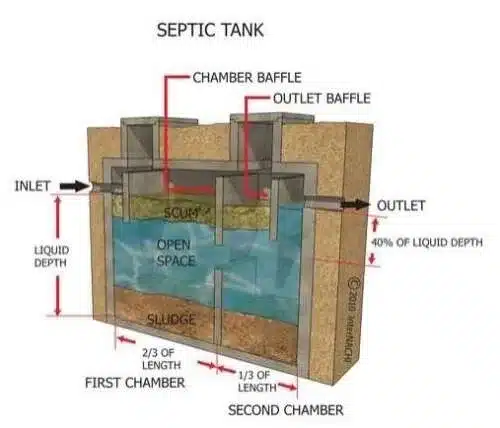
Before diving into purchasing a home with a septic tank, it’s vital to understand how these systems work. Unlike sewer systems that transport wastewater to a centralized treatment facility, septic tanks treat and dispose of wastewater on-site. Wastewater from the house flows into the tank, where solids settle at the bottom and bacteria break down organic matter. The clarified liquid then exits the tank and is dispersed into a drain field, where it further percolates through the soil.
Inspect and Assess the Septic System
During the home inspection process, make sure to thoroughly evaluate the condition of the septic system. Hire a qualified inspector who specializes in septic systems to assess the tank, drain field, and related components. They can identify any existing issues or potential problems that may require attention or repair. Understanding the system’s age, capacity, and maintenance history is crucial for making an informed decision.
Factor in Maintenance and Upkeep
Owning a home with a septic tank comes with ongoing maintenance responsibilities. Regular pumping and inspection of the tank are necessary to prevent backups, odors, and system failures. Educate yourself about proper usage habits, such as conserving water, avoiding flushing non-biodegradable items, and refraining from pouring harsh chemicals down the drain. Establish a maintenance schedule and budget for servicing the septic system to ensure its longevity and optimal performance.
Familiarize Yourself with Local Regulations
Septic system regulations vary by location, so it’s essential to research and comply with local ordinances and guidelines. Determine if any permits or certifications are required for installing, repairing, or replacing a septic system. Additionally, familiarize yourself with setback requirements, property line considerations, and environmental regulations that may impact the placement and maintenance of the septic tank and drain field.
Budget for Potential Repairs or Replacements
While a well-maintained septic system can last for decades, unforeseen issues may arise that require repair or replacement. Factor in the potential costs of repairing or upgrading the septic system when budgeting for homeownership expenses. Consider investing in a home warranty or septic system insurance policy to provide financial protection against unexpected repairs or failures.
Seek Guidance from Professionals
Navigating the complexities of buying a house with a septic tank can be overwhelming, so don’t hesitate to seek guidance from professionals. Consult with experienced real estate agents, septic system inspectors, and contractors who can provide valuable insights and advice. They can help you make informed decisions, negotiate contingencies, and ensure a smooth transition into homeownership with a septic system.
Final Thoughts
Buying a house with a septic tank can offer the allure of rural living and independence from municipal services. However, it’s essential to approach the process with careful consideration and awareness of the unique responsibilities and challenges that come with septic system ownership. By understanding the basics, conducting thorough inspections, adhering to maintenance protocols, and seeking professional guidance, you can confidently invest in a home with a septic tank and enjoy years of reliable wastewater management.